How Long Does Exterior House Paint Last? Factors That Affect Paint Lifespan
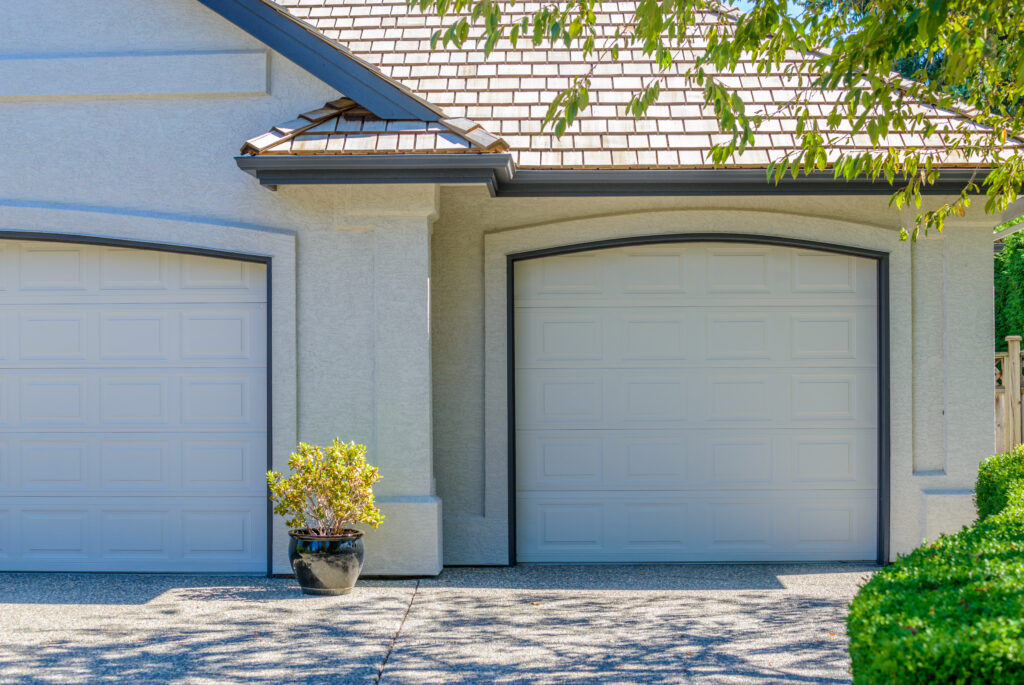
A fresh coat of exterior paint can dramatically improve your home’s appearance while providing an important layer of protection against the elements. However, even high-quality paint eventually begins to deteriorate. Sunlight, moisture, temperature changes, and everyday environmental exposure gradually affect the coating’s appearance and performance.
One of the most common questions homeowners ask is: How long does exterior house paint last?
Generally, exterior paint can last approximately 5 to 10 years, although the actual lifespan depends on several factors. Some surfaces may require repainting sooner, while others can maintain their finish for more than a decade.
For homeowners in Oregon, understanding what affects paint longevity is particularly important. Seasonal rainfall, humidity, and summer sunshine can influence how well exterior coatings perform.
This guide explains the factors that determine how long Exterior House Paint lasts and what homeowners can do to protect their investment.
1. The Type of Exterior Siding
The material covering your home is one of the biggest factors affecting paint longevity.
Different siding materials absorb moisture, expand, contract, and interact with coatings differently.
Wood Siding
Wood siding generally requires more frequent painting because it naturally responds to changes in moisture and temperature.
Depending on exposure and maintenance, painted wood may need refreshing approximately every three to seven years.
Regular inspections are important because exposed wood can absorb moisture when the protective coating deteriorates.
Fiber Cement Siding
Fiber cement provides a relatively stable surface for paint.
When properly prepared and coated with compatible products, painted fiber cement may maintain its appearance for approximately 10 to 15 years.
However, installation quality, weather exposure, and maintenance can influence the actual lifespan.
Stucco
Painted stucco often lasts approximately five to ten years, depending on surface condition and environmental exposure.
Cracks should be addressed promptly because moisture entering the material can affect coating performance.
Painted Brick
Properly prepared painted brick may maintain its finish for ten years or longer.
However, masonry moisture problems must be resolved before painting to prevent premature deterioration.
These estimates are general guidelines rather than guaranteed repainting schedules.
2. Oregon’s Weather Conditions
Climate plays a major role in determining how long Exterior House Paint lasts.
In communities such as Salem, Keizer, Woodburn, Albany, and Corvallis, homes experience seasonal rainfall, changing temperatures, and periods of strong summer sunlight.
Rain and Moisture
Repeated moisture exposure can contribute to coating deterioration, especially when existing paint begins cracking or peeling.
UV Exposure
Sunlight gradually breaks down paint pigments and binders, causing fading and surface wear.
South-facing and west-facing walls may experience more noticeable fading.
Temperature Fluctuations
Changing temperatures cause building materials to expand and contract, which can place stress on aging coatings.
Shaded Conditions
Areas surrounded by trees or landscaping may remain damp longer, encouraging mildew and algae growth.
Selecting appropriate exterior coatings and maintaining painted surfaces can help reduce the effects of these conditions.
3. Quality of the Paint Products
Not all exterior paints provide the same level of durability.
Higher-quality coatings are generally formulated to provide better adhesion, color retention, and resistance to environmental exposure.
When selecting paint, homeowners should consider:
- Compatibility with siding materials
- Resistance to moisture
- UV protection
- Color retention
- Durability
- Manufacturer application requirements
Choosing inexpensive paint may reduce initial material expenses, but premature fading or deterioration can lead to additional repainting costs.
Investing in suitable products can help improve long-term performance.
4. Proper Surface Preparation
Even premium paint can fail prematurely when applied over poorly prepared surfaces.
Professional preparation creates the foundation for a durable coating.
Before painting, surfaces may require cleaning, scraping, sanding, repairs, caulking, and priming.
For example, applying fresh paint over loose or peeling coatings does not restore adhesion. The unstable material must first be removed.
Similarly, dirt, mildew, and moisture can interfere with the new coating.
Old Guy Painting emphasizes careful surface preparation, including cleaning, scraping, sanding, and priming, as part of its residential exterior painting services.
Proper preparation helps the finish adhere more effectively and maintain a consistent appearance.
5. Professional Application Techniques
The way paint is applied also affects its lifespan.
Professional painters understand the importance of applying coatings according to manufacturer recommendations.
Factors such as coverage, application thickness, drying conditions, and recoat times all influence the finished result.
Applying paint too thinly may reduce protection, while excessive application can create other performance problems.
Professional application helps ensure surfaces receive appropriate coverage without unnecessary buildup.
6. Paint Color and Sun Exposure
Color selection can influence how exterior paint ages.
Darker colors often absorb more solar heat than lighter shades, potentially increasing surface temperatures.
Strong sunlight can also cause certain pigments to fade more noticeably over time.
The extent of fading depends on paint formulation, pigment quality, exposure, and environmental conditions.
Homeowners should choose exterior colors that complement their property while considering how much direct sunlight each wall receives.
High-quality coatings designed for exterior exposure can help maintain color consistency.
7. Moisture Problems Around the Home
Moisture is one of the most significant threats to exterior paint performance.
Problems such as leaking gutters, damaged flashing, deteriorated caulking, or poor drainage can expose painted surfaces to unnecessary water.
When moisture reaches the material beneath the coating, peeling, blistering, and deterioration may develop.
Homeowners should inspect:
- Gutters and downspouts
- Window and door joints
- Exterior trim
- Siding connections
- Areas near decks and patios
- Locations where water repeatedly collects
Correcting moisture problems before repainting is essential for achieving a lasting finish.
8. Regular Exterior Maintenance
Routine maintenance can help extend the useful life of exterior coatings.
Homeowners should inspect their properties at least annually and after significant storms.
Helpful maintenance practices include:
- Removing dirt and organic buildup
- Keeping gutters clear
- Trimming vegetation away from siding
- Checking exterior caulking
- Repairing minor damage promptly
- Monitoring peeling or cracking paint
- Addressing moisture-related problems
These simple actions can help prevent small issues from developing into extensive repairs.
Signs Your Exterior House Paint Is Nearing the End of Its Lifespan
Even well-maintained coatings eventually require replacement.
Common warning signs include:
Peeling or Flaking: Indicates that paint is separating from the underlying surface.
Cracking: May result from aging coatings, substrate movement, or environmental exposure.
Significant Fading: Suggests that sunlight and weather have affected the coating.
Blistering: Can indicate trapped moisture or adhesion problems.
Exposed Siding: Leaves underlying materials vulnerable to environmental damage.
Persistent Staining: May signal recurring moisture or organic growth.
If several of these conditions appear throughout the exterior, professional repainting may be necessary.
Can Professional Painting Help Exterior Paint Last Longer?
Professional exterior painting can improve coating performance by addressing preparation, product selection, and application requirements.
An experienced painter evaluates the existing surface before recommending the appropriate approach.
Old Guy Painting provides residential exterior painting services throughout Marion, Yamhill, Polk, Benton, and Linn counties in Oregon.
The company focuses on detailed preparation, quality exterior coatings, and professional application to help homeowners maintain attractive, protected properties.
Whether your home has wood siding, fiber cement, or another paintable exterior surface, selecting compatible materials and proper application techniques is essential.
Protect Your Home With Long-Lasting Exterior Paint
So, how long does Exterior House Paint last?
For many homes, five to ten years is a useful starting estimate. However, siding material, paint quality, weather exposure, preparation, and maintenance ultimately determine the actual lifespan.
Oregon homeowners should pay particular attention to moisture exposure, seasonal weather changes, and signs of coating deterioration.
Rather than waiting until extensive peeling or damage occurs, regular inspections can help identify when maintenance or repainting is necessary.
If your home’s exterior is fading, cracking, or showing signs of wear, Old Guy Painting can help evaluate your painting needs and recommend a professional solution.
With proper preparation, quality materials, and experienced workmanship, exterior painting can improve curb appeal while helping protect your home for years to come.